
Touchscreen barcode handheld
AIDC GO HX-24
Mobile barcode and task-oriented data-capture workflows.
View product detailsFIELD SERVICE & INSPECTION
Plan work-order receipt, asset identification, inspection forms, offline work and service confirmation before selecting a handheld or rugged tablet.
Discuss Your ApplicationReference workflow for mobile work that combines operator interaction, data review and a project-owned application workflow.
Open the task and its required context.
Capture the asset or work-item identity.
Complete the form and record observations.
Check images or documents in the mobile workspace.
Return the completed event to the application.
MATCH TASKS TO DEVICE DIRECTIONS
Match zones and form factors to the way work is actually performed.
Mobile barcode and task-oriented data-capture workflows.
View product details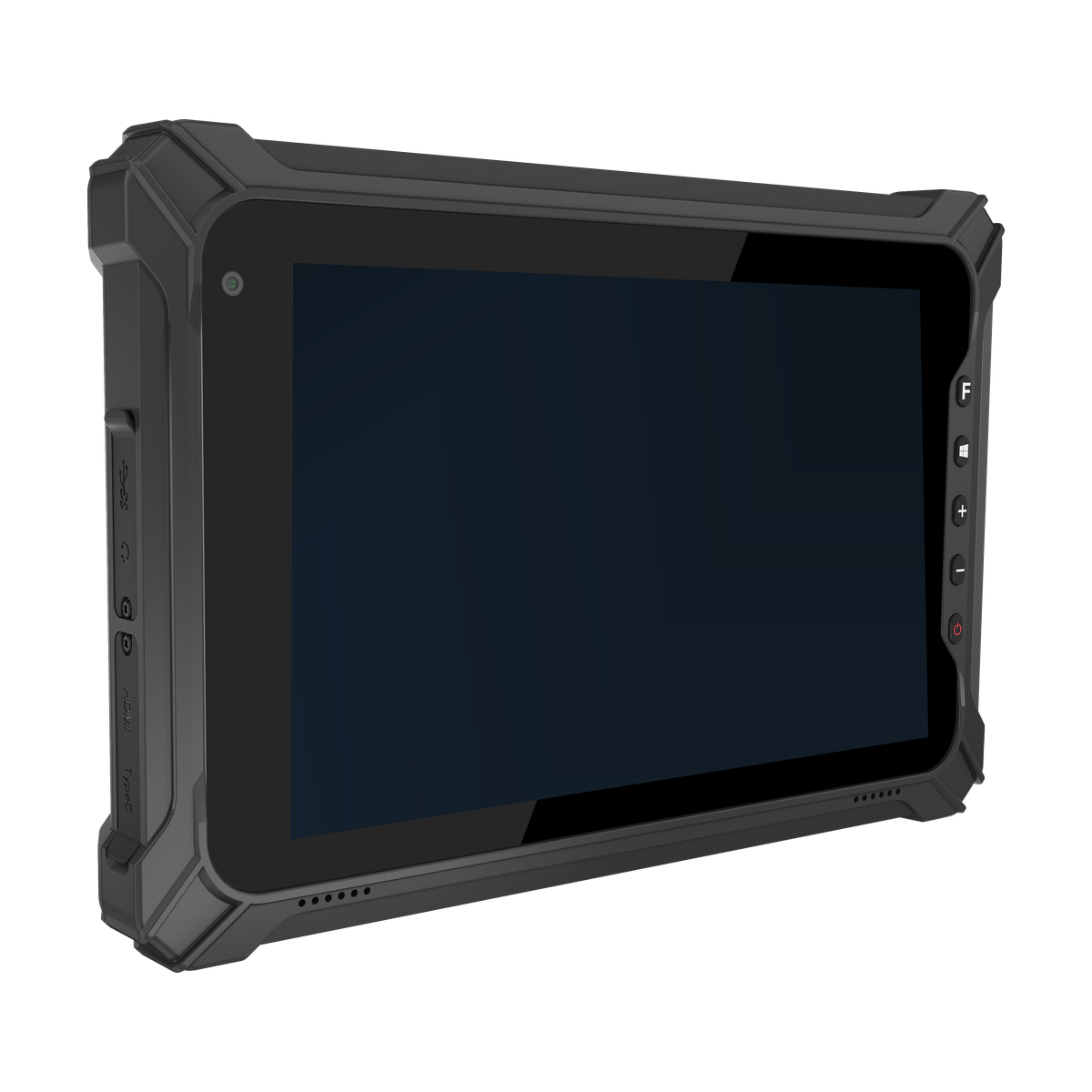
Compact tablet workflows for mobile forms and review.
View product details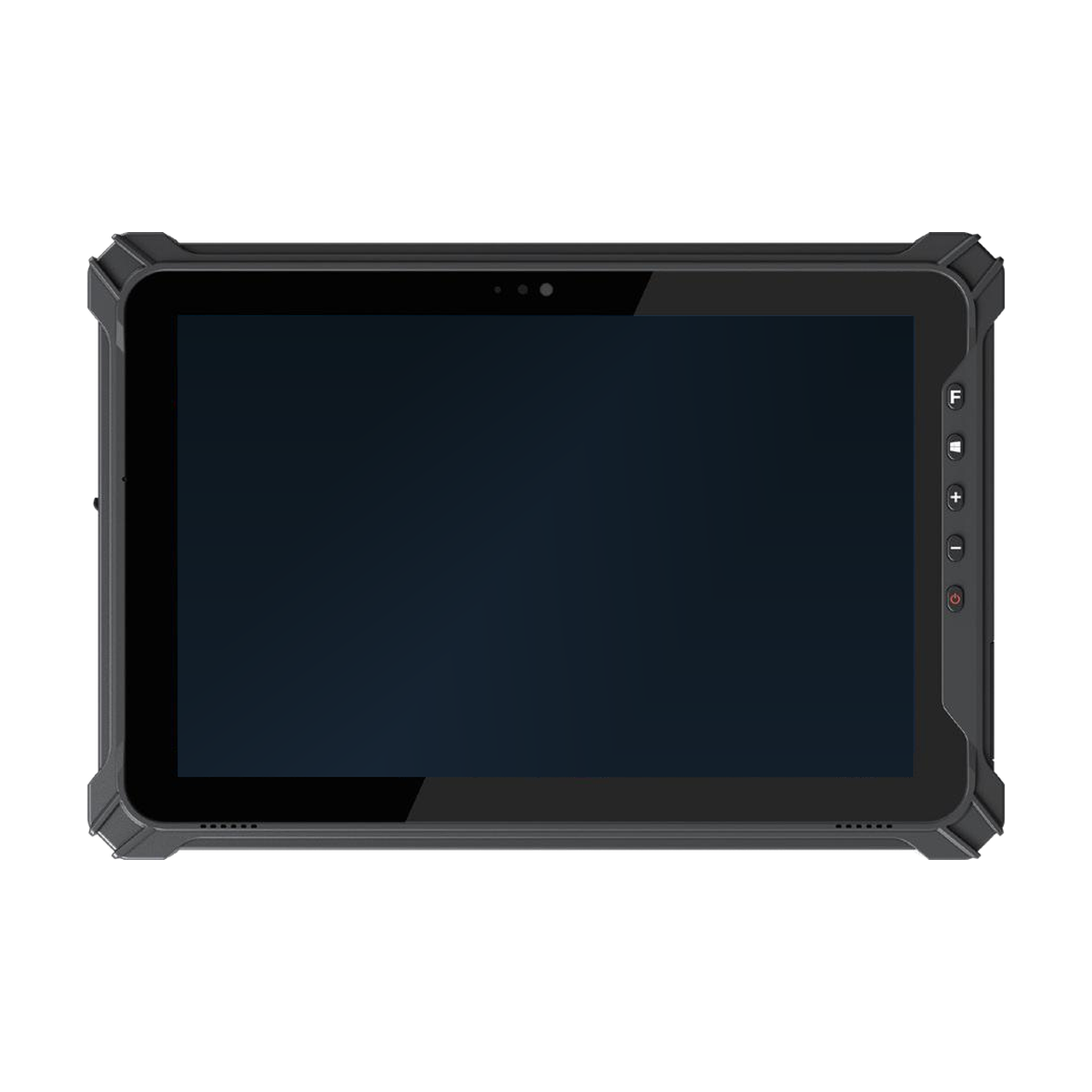
Field tablet workflows for inspection and service tasks.
View product detailsKEEP SYSTEM BOUNDARIES CLEAR
Clear boundaries between the device, integration layer and customer application keep responsibilities aligned.
Captures data, applies basic validation and provides user feedback.
Translates events, queues transactions and connects services.
Owns inventory state, business rules and user permissions.
PILOT CHECKLIST
Use this checklist to design a focused pilot and surface open questions.
A field workflow may begin with work-order receipt, continue through asset identification and inspection, include measurement or data entry, then end with service confirmation and synchronisation. Identify what the operator must see, capture, review and submit at each step.
A handheld can suit frequent identification and compact entry; a tablet can suit richer forms, review or coordination. TX-41, TX-43 and TX-47 provide tablet directions, while HX and RX directions can support identification tasks where approved.
Review vehicle mounts, outdoor visibility, gloves, rain or dust exposure, movement between rooms, charging and cable routing. The project should use approved specifications and representative testing for any environmental requirement; a product category alone is not a test result.
Photo or attachment capability should be discussed only where the approved configuration and customer application support it. Define storage, transfer and retention with the application owner.
Field teams should know which forms can be completed without coverage, how records are queued, how conflicts are shown and when synchronisation is required. Test a work-order transition through a dead zone and recovery without duplicating a record.
The backend and customer application own work-order state, permissions and reconciliation. Device selection supports the workflow but does not replace those systems.
Define identifier formats, inspection values, timestamps, attachments, user identity and service confirmation. Review API, middleware, authentication, retry and audit boundaries with the integration team.
Make failure handling visible: missing asset, invalid value, incomplete form, network loss and duplicate submission should each have an owner and recovery step.
Use representative vehicles, sites, work orders, forms, labels and connectivity conditions. Test normal completion, correction, offline work, synchronisation, mounting, charging and support handoff.
Capture observations by task and role. Confirm training, spare-device, accessory, application and backend responsibilities before rollout.
Which assets require barcode or RFID? Which forms need a tablet workspace? What can be completed offline? How are attachments handled? Where are devices mounted and charged? Who owns the application, backend and field support?
A practical evaluation becomes easier to govern when the team writes down the operating sequence before opening a purchase discussion. Name the user role, the item or record being handled, the device interaction, the application response and the exception path. This simple sequence keeps a device conversation connected to the work and gives the software owner a concrete set of states to represent. It also makes it easier to compare two directions without assuming that either one is universally suitable.
Review the first and last step of every transaction. At the beginning, confirm how a user receives a task, identifies the object and knows that the device is ready. At the end, confirm how the application acknowledges a valid record, prevents an accidental repeat and lets a user recover from an incomplete action. The device, application and backend may be owned by different teams, so document the handoff instead of leaving it implicit.
Use representative samples during evaluation. A sample should include the labels, tags, forms, fixtures, carts, mounts, gloves, lighting and connectivity conditions that matter to the real workflow. Note what was tested, what was not tested and which observations require another configuration. Avoid turning a demonstration into a general promise; the useful output is a bounded set of assumptions, open questions and next actions.
Define exception language before a pilot starts. A missing label, unreadable tag, duplicate event, invalid value, lost connection or rejected transaction should each have a visible message and an owner. Operators should know whether to retry, correct, hold, escalate or continue offline. The recovery path is part of the workflow design, not an afterthought that can be solved by changing a model name.
Clarify the data boundary with the application team. Identify the field or event that receives captured input, the validation rule applied to it, the identifier used for reconciliation and the record that becomes authoritative. Where middleware is present, document transformation, retry, idempotency and queue behaviour. Where no middleware is present, state that the application owns the direct interface. This avoids assigning unverified software capabilities to a device.
Plan operational ownership alongside technical fit. Assign responsibility for device configuration, application packaging, enrollment, charging, accessories, user training, spare units, support escalation and backend changes. Record the contact for each responsibility and the evidence needed to close it. A configuration can be approved only when the owners understand the work they must support after the sample evaluation.
Use staged acceptance rather than one large decision. A laboratory check can confirm basic interaction and data mapping; a controlled pilot can expose operator and environment questions; a rollout review can confirm training, support and replacement procedures. Keep an explicit rollback path for application configuration and device settings. This creates a repeatable review without claiming a customer result, certification or universal performance outcome.
Finally, capture the decision in language that remains true when the project changes region, accessory set or application version. State what is approved, what is configuration dependent, what is region dependent and what still requires validation. Link the relevant Product, Solution and Industry pages so a reader can continue the review. The objective is a clear technical conversation that can be repeated by the project team, not a fixed promise detached from its operating context.
Document the evidence package alongside the content. Keep the sample list, test dates, open issues, responsible owner and next review date together, while separating observed facts from assumptions. If a requirement depends on a regional option, accessory or application version, make that dependency visible in the decision record. A concise evidence package lets a second reviewer understand why a direction was selected without inferring capabilities that were not tested.
Before handoff, read the page as an implementation team would. Check that each internal link reaches the intended route, each product reference uses the approved model name and every call to action leads to the project contact path. Remove language that sounds like a guarantee, a customer case study or a measured result unless an approved source explicitly supports it. The final article should help a reader prepare a useful conversation and know what still needs confirmation.
A field service or inspection sequence can start with work-order receipt, continue through asset identification, inspection checklist completion and measurement or data entry, then end with service confirmation and synchronisation. Identify what the operator must see, capture, review and submit at each step. Separate a routine visit from a complex inspection or mobile workstation task; their interaction, review and support needs may differ.
A handheld can suit frequent asset identification and compact entry. A rugged tablet can suit richer forms, work instructions, document review or coordination. Barcode is a deliberate identifier check; RFID should be considered only for a defined tagged workflow that is validated in the intended zone. HX, RX and TX products provide directions for evaluation, while final configuration and accessories remain project dependent.
Review movement between a vehicle, outdoor area, plant room and customer site. Note gloves, lighting, weather exposure, mounting, cable routing, charging, screen review and the need to keep a hand free. Use approved product information for protection or operating-environment discussion and validate the actual sample; a rugged category is not a test result.
Define which forms can be completed without coverage, how records are queued, how conflicts are shown and when synchronisation is required. The customer work-order application and backend own permissions, status, audit and reconciliation. The device supplies captured input and interaction. Agree identifiers, timestamps, attachments, retry, authentication and escalation with the integration team. Discuss camera, GNSS, NFC or ports only when the approved product specification and application requirement support the statement.
| Field task | Primary review question | Device direction to evaluate |
|---|---|---|
| Asset identification | How often is an item or tag confirmed? | Barcode handheld; RFID only for a validated tagged workflow |
| Inspection form | How much data and review is needed? | Handheld for compact entry or tablet for a larger workspace |
| Offline service | What happens during loss and resynchronisation? | Device plus application queue and recovery design |
Use representative vehicles, sites, work orders, labels, forms and connectivity conditions. Test work-order receipt, asset identification, checklist completion, measurement entry, correction, offline work, synchronisation, service confirmation, mounting and charging. Include an incomplete form, invalid value, duplicate submission and a recovery after reconnect. Record observations by task and role, and separate what the sample demonstrated from what still needs validation.
Common failures include choosing a tablet without observing the form, assuming the device owns work-order state, testing only with coverage, hiding incomplete-form recovery and discussing unverified hardware features. Compare the rugged tablet and integration paths, review Products, or use Contact to frame the next evaluation.
EVALUATION FAQ
No. Final configuration and suitability are confirmed through the project evaluation and approved product information.
A handheld can suit frequent identification and compact entry when the application and task support that interaction.
Evaluate a tablet for richer forms, work instructions, review or coordination when the approved configuration fits the workflow.
The customer work-order application and backend own permissions, status, queueing and reconciliation.
Only discuss those capabilities when the approved product specification and customer application requirement support the statement.
Use representative sites, vehicles, work orders, forms, connectivity, mounting, charging and recovery scenarios.
NEXT STEP
Configuration, accessories and regional options are confirmed per project.
Discuss Your Application