Short answer: UHF RFID read range depends on the reader, antenna, tag, item and surrounding environment. For inventory, compare missed target items and unwanted nearby reads within the actual working time. A distant demonstration read does not establish a usable shelf count.
Define the target population and read area
List the items that belong to the task and identify nearby tagged stock separately. Record where the worker stands, how items may be moved and the available scan time. A shelf count, trolley check and individual asset search may need different results.
Keep maximum observed distance, target coverage and unwanted reads as separate measurements. Report unique expected identifiers as well as repeated tag reports. A large report count can hide missing items.
Test the complete tagged item
Test the tag attached to the actual item, with its contents and packaging. GS1 explains the effects of metal and water and the use of dedicated tag designs. Follow the tag supplier’s mounting instructions and record placement.
Repeat the angles and packing found at work. If another viewing angle recovers a missing tag, include the extra handling time. Where adjustment is supported, compare power and inventory settings under the same conditions and within the deployed region’s requirements. Track unwanted reads as well as recovered targets.
Trace missing IDs through the system
If a loose tag works but the attached tag fails, examine the item and placement. If an isolated item works but a packed group does not, compare orientation and surrounding materials. If the reader reports an identifier that the application omits, inspect filtering, mapping and data delivery.
Application filtering can hide a returned tag without changing the physical radio read area. Record where each filter operates. The GS1 Gen2 standard provides the protocol reference; available controls still depend on the proposed reader and software.
Run and report each trial separately
Keep a known target-ID list, a separate neighbor list, configuration details and a defined route and time window. Clear the result set for each trial. Change one variable at a time and repeat at the normal working pace.
In an illustrative test with 100 target IDs, a result containing 98 targets and seven neighbors contains 105 distinct IDs but still misses two intended items. Record those exceptions and any extra pass separately. Send the tag, item materials, layout, required distance and trial records through Contact to discuss the next comparison.
Device options for this task
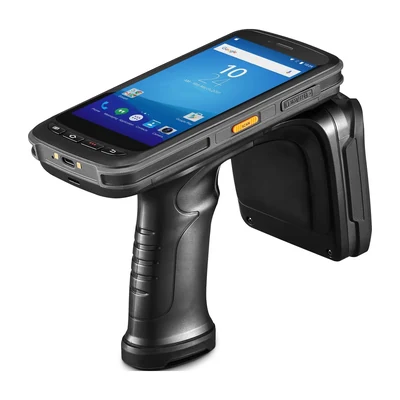
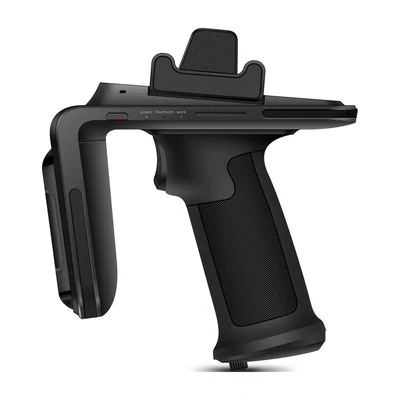
Compare AIDC GO RX-56 within the UHF RFID Handheld Readers range and AIDC GO SX-32 with a supported Android or iOS host. Evaluate both with the same tagged items, operating region and scan task.
Devices for this workflow