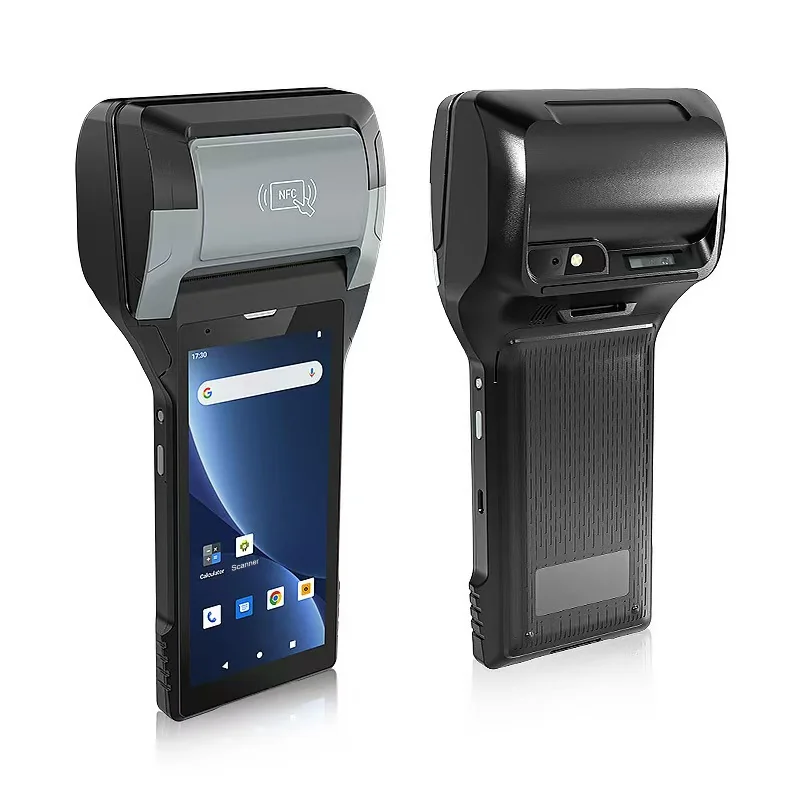
A hardware quote for handhelds and spare batteries is not yet a delivery plan. Before comparing landed cost, separate batteries installed in devices, loose spares travelling with their equipment, and a later battery-only order. Ask who will prepare and offer each shipment, which route and service have accepted it, and which charges and documents the price includes.
This is a purchasing guide for ordinary lithium-ion device cargo, not a packing instruction or a passenger-baggage guide. The air-transport examples refer to IATA’s 2026 guidance. Sea, road, postal services, other chemistries, prototypes and damaged or recalled returns require their own assessment. The party preparing the shipment must confirm the applicable rules and carrier conditions.
Start with the shipment arrangement, not the battery quantity
A project may need removable spares for its working battery rotation. That operating requirement does not determine how those spares will travel. Keep the operational bill of materials and the proposed shipping configuration connected, but do not treat them as the same document.
The IATA 2026 lithium-battery guidance distinguishes lithium-ion batteries alone (UN 3480, PI 965), packed with equipment (UN 3481, PI 966), and contained in equipment (UN 3481, PI 967). These references identify different assessment paths; they do not establish that a proposed package meets one of them.
| Proposed arrangement | Quotation question | Do not assume |
|---|---|---|
| Battery installed in the device | Quotation question: Which battery type, packing arrangement, route and service does the freight price cover? | Do not assume: Acceptance of that device shipment also covers loose spares. |
| Loose spares packed with their equipment | Quotation question: Has the shipment preparer assessed the actual mix and package quantities, including charge-state conditions? | Do not assume: Adding spares leaves the original freight plan unchanged. |
| A later battery-only replenishment | Quotation question: Is there an accepted service and separate quotation for this order without its powered devices? | Do not assume: The first device delivery establishes the same service, price or lead time. |
IATA also explains that batteries packed only with a charger, AC adapter or ancillary cables do not become “packed with equipment” on that basis. For this purpose, equipment is the device the batteries power. A charger added to a spare-battery order is therefore not a shortcut to the device-shipment assessment.
Match transport evidence to the quoted battery
Ask the supplier to identify the device order code, installed and spare battery part numbers, chemistry, rated energy and the applicable transport evidence. Keep unresolved identifiers visible in the quotation. A family name, a safety logo or a document for an unspecified pack does not let the buyer reconcile the proposed shipment.
In its U.S. transport context, PHMSA’s lithium-battery guidance describes UN 38.3 design-test requirements and the availability of test summaries. Request the relevant summary and a traceable explanation of which quoted battery or product it covers. This is evidence review, not a request for the buyer to perform those laboratory tests.
IATA permits one summary to cover multiple batteries or products when the required information is present; do not reject a document merely because it covers more than one model. Check the identification and report references rather than demanding one PDF per order line. Availability of a summary is also different from the documents required to accompany a particular shipment.
As a document-organization example, Microsoft’s Lithium Battery Transportation Documents page, published July 15, 2024, lists a product data sheet and a UN 38.3 test summary separately. That listing does not establish coverage for another manufacturer’s battery. Ask for the corresponding records for the actual proposal, not a generic replacement document.
If a later order changes the battery type or device configuration, reconcile the new identifiers and transport evidence before reusing the first shipping plan. The repeat-order configuration guide explains why “same family” is insufficient evidence of an unchanged assembly.
Compare quotations with the same delivery responsibilities
A low freight line may describe a different service or leave work with the buyer. Have each offer name the origin, destination, intended mode, service, shipment arrangement and party responsible for preparing and offering the goods. Ask separately about packaging preparation, required declarations or other documents, carrier acceptance, surcharges, customs handling, duties and delivery to the agreed point. Record inclusions and exclusions; do not infer them from “shipping included.”
Carrier acceptance is not established by possession of a test summary. DHL Express’s U.S. shipping guidance describes pre-approval and limits on accepted lithium-battery shipments, with origin, destination and applicable rules affecting acceptance. This is a named service and regional example, not a statement that every DHL network or another carrier uses identical conditions.
Ask what happens if the quoted service does not accept the declared arrangement: who identifies the alternative, who approves a revised cost, and what happens to the delivery schedule? An unanswered question is a purchasing risk to resolve before release, not proof that the supplier has failed or that a specific route is prohibited.
One fleet, two purchasing decisions
Constructed example—not a customer order, freight quote or shipping approval: a team buys 24 handhelds, each with one installed battery, plus 12 loose spares. Its operational inventory is 36 battery packs. That total does not determine package limits, permitted charge state, documentation or carrier acceptance.
Offer A covers the devices but leaves the 12 spares’ freight unquoted. Offer B describes the actual device-and-spare arrangement and assigns preparation and acceptance responsibilities. The buyer should first request a complete, comparable scope from A rather than compare the two freight prices as if they cover the same goods. No price advantage can be calculated from missing charges.
Six months later the team wants six replacement spares with no handhelds in that order. Obtain a battery-only replenishment proposal; do not copy the first delivery’s acceptance or rate. Confirm the battery part remains the specified one and how an alternative would be qualified. The quantities here illustrate order reconciliation only, not permitted quantities per package.
Make the arrival usable without assuming ready-to-issue charge
Ask the shipment preparer to state the charge condition applicable to the assessed arrangement. Do not apply a single charge percentage to every battery shipment. Plan the receiving workflow around the documented arrival condition rather than expect every device and spare to arrive ready for a full shift.
Reconcile received device and battery identities with the specified order, retain the relevant documentation, and follow the manufacturer’s handling and charging instructions. Check the complete device-and-spare charging assembly before scheduling issue. This receiving decision concerns availability after delivery, not a new runtime claim.
Replacement dispatch and return freight are separate service questions. Use the repair and replacement guide to agree responsibility for those legs. A damaged or recalled return needs its own authorized handling assessment; do not reuse the new-goods plan or send a suspect battery simply because the original order travelled successfully.
Bring a device configuration and a delivery question
Start with the handheld-terminal category for device selection, then provide the proposed battery parts, installed and spare quantities, destination, ordering phases and intended delivery scope through Integration Support or Contact. Ask which configuration documents and supply arrangements can be confirmed for the exact proposal.
This guide does not establish a battery certification, carrier approval, dangerous-goods preparation service or worldwide delivery commitment for AIDC GO. Confirm the available device and battery configuration with the supplier, and the transport arrangement with the party responsible for the shipment. The useful outcome is a comparable equipment-and-delivery quotation, not an unqualified promise that all spares travel like installed batteries.
AIDC GO devices to evaluate